
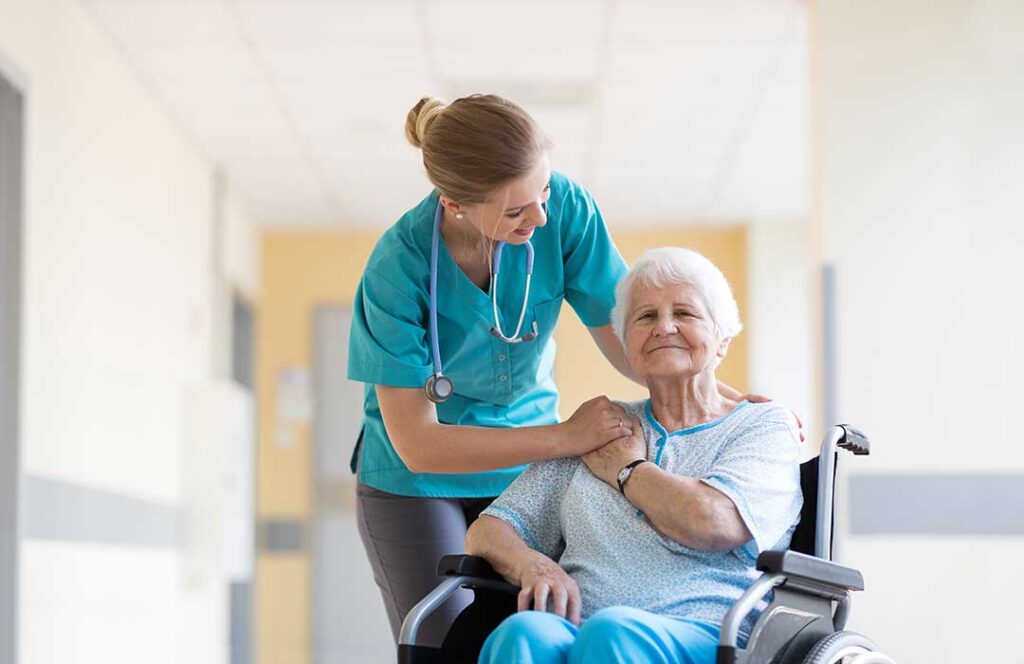
How Are Emergencies Managed in Assisted Living?
Residents of Ambridge, PA often wonder how assisted living communities are prepared for various emergencies. Assisted living facilities follow strict procedures for natural disasters, medical events, and unexpected incidents to keep everyone safe. Emergencies may be rare, but preparation is a daily priority, adapted to the needs and risks common in the area.
What Types of Emergencies Might Occur?
Assisted living settings in the community prepare for a range of situations:
- Medical emergencies such as falls, strokes, severe allergic reactions, or sudden illness
- Extreme weather typical for the region, like heavy snowstorms, high winds, or power outages
- Fires or smoke events—especially relevant during heating season
- Local infrastructure problems such as water main breaks or power failures
Understanding these possibilities helps caregivers and residents feel more confident that plans are in place for a quick, organized response.
What Protocols Are in Place for Medical Emergencies?
Staff members at assisted living communities receive regular training to recognize and react quickly to urgent medical needs. When a resident shows signs of distress:
- Staff immediately assess the situation and contact emergency services if necessary.
- Care team members are trained in first aid and CPR, with supplies kept accessible for prompt use.
- Family members or emergency contacts are informed according to the resident’s care plan.
Residents and their families can expect that responses are both swift and organized, with an emphasis on maintaining privacy and comfort during and after the incident.
How Do Assisted Living Teams Prepare for Severe Weather?
Ambridge experiences seasonal weather challenges, particularly winter storms and summer thunderstorms. Assisted living communities address these local risks by:
- Conducting regular drills for weather-related evacuations or shelter-in-place scenarios
- Maintaining extra food, water, and flashlights in case of power interruptions
- Ensuring heating or cooling systems have back-up plans
Staff regularly check on residents during extreme conditions, watching for anyone especially vulnerable to cold, heat, or accident risk.
What Happens During a Fire or Evacuation?
Smoke alarms, sprinkler systems, and clear evacuation routes are standard in licensed assisted living buildings. When an alarm sounds:
- Residents are guided to pre-identified safe areas by staff trained in evacuation procedures.
- Fire drills are held periodically, allowing residents and new team members to practice what to do.
- After an evacuation, roll calls and health checks ensure everyone is accounted for.
Misconceptions that residents are left on their own are unfounded; there are always people on duty ready to assist, even at night or on holidays.
How Are Power Outages and Infrastructure Problems Handled?
Wide-reaching power outages can be a concern for residents who use medical devices or require refrigeration for medication. Local assisted living communities typically:
- Use generators to keep essential lighting, heating, or critical equipment running during outages
- Provide extra blankets, non-perishable food, and bottled water as needed
- Communicate closely with local emergency management and utility companies for updates and support
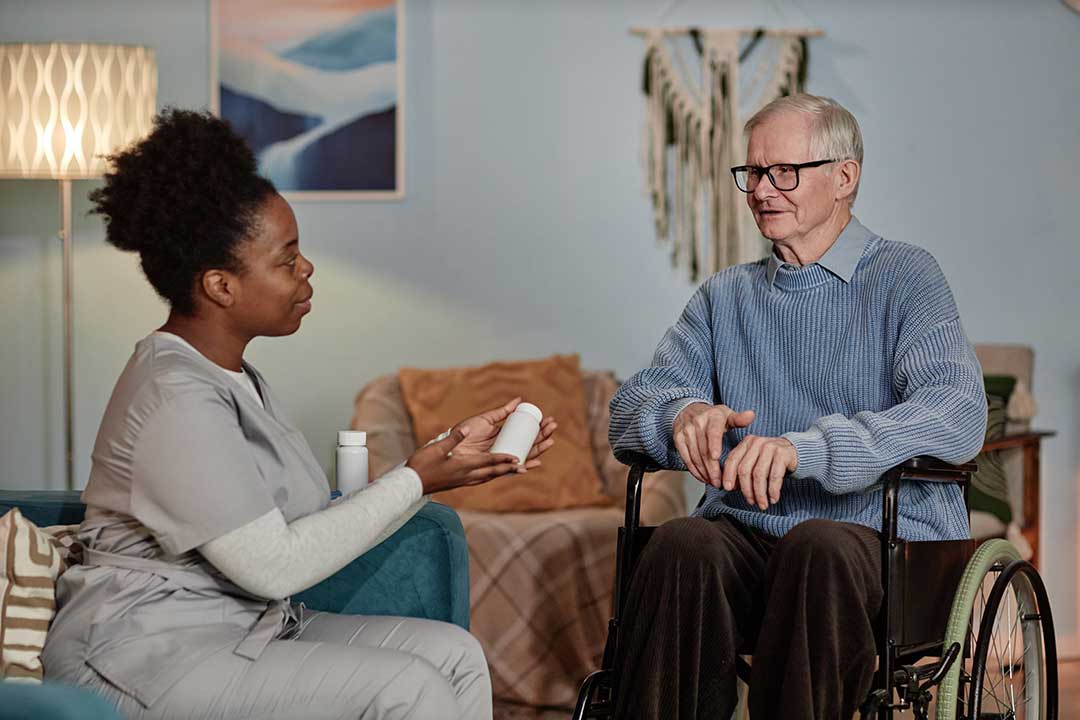
Residents with greater care needs are prioritized during these events to ensure their safety and comfort.
Are Residents and Families Involved in Emergency Planning?
Transparency is encouraged. Families and residents are typically informed of:
- Emergency procedures during the move-in process and periodically throughout the year
- How to update emergency contacts and medical information
- Opportunities for participation in community-wide drills
This partnership helps personalized care adapt to changing health conditions or unique needs.
What Happens After an Emergency?
Following any significant event, staff focus on reassurance and care. Steps often include:
- Health checks and emotional support for residents affected by the incident
- Informing families of outcomes and steps taken
- Reviewing what worked and identifying improvements for future preparedness
Debriefing ensures lessons are learned and shared with all involved.
Common Misunderstandings About Emergency Response
Some believe assisted living staff are only trained for daily caregiving, but emergency drills and preparedness are ongoing responsibilities. Others assume outside emergency services will handle every situation, but initial response almost always comes from on-site professionals before first responders arrive.
How Can Residents Feel More Secure?
Residents are encouraged to:
- Ask questions about emergency procedures and discuss concerns with staff
- Keep personal emergency kits if desired, such as extra medications or a charged phone
- Participate in preparedness discussions, especially for those with unique health needs
A proactive partnership between residents, loved ones, and care teams builds resilience and peace of mind, even as situations change with the seasons in the city.
