
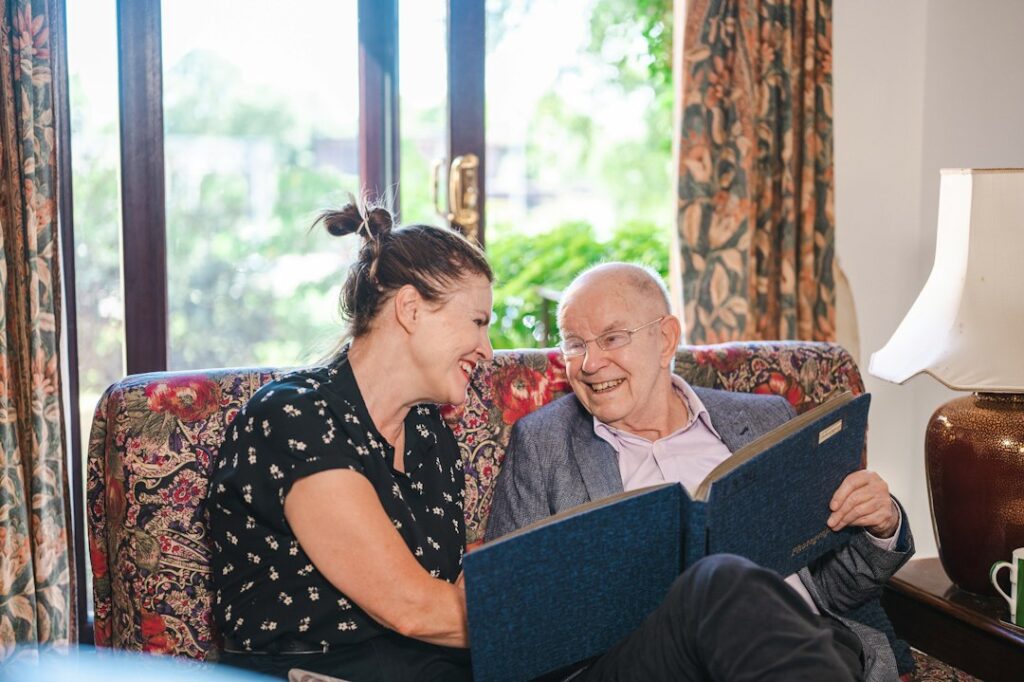
Moving to assisted living is usually a process rather than a single decision. It may begin after a fall, a hospital stay, increasing difficulty with medications, or a gradual realization that maintaining a home has become too demanding. For residents of Ambridge, PA, planning ahead can make the transition more organized and give the older adult a greater voice in the decision.
What does assisted living provide?
Assisted living is designed for people who need help with daily activities but do not require continuous nursing-home care. Depending on the residence, assistance may include bathing, dressing, grooming, walking, toileting, meals, medication management, housekeeping, laundry, transportation arrangements, and supervision.
Pennsylvania distinguishes between personal care homes and assisted living residences. Assisted living residences may be equipped to support people with higher care needs while still emphasizing personal choice and independence. Services differ by residence, so the name of a setting does not tell the entire story.
A person who needs skilled nursing around the clock, frequent medical treatments, or complex clinical monitoring may need a different level of care. The appropriate setting depends on current needs, expected changes, safety concerns, and the services a residence is licensed and prepared to provide.
When should a family begin planning?
Planning often works best before a crisis. Warning signs can include:
- Repeated falls or difficulty using stairs
- Missed medications or confusion about prescriptions
- Trouble preparing meals or maintaining adequate nutrition
- Unpaid bills, unsafe driving, or difficulty managing appointments
- Increasing isolation
- Difficulty bathing, dressing, or using the bathroom safely
- Home maintenance problems that are becoming hazardous
Older houses and properties with steps, narrow hallways, multiple floors, or limited bathroom access can become harder to manage as mobility changes. Winter ice, snow, and reduced daylight can add to fall risks, while summer heat can make errands and household tasks more tiring.
A sudden hospital discharge may shorten the decision-making timeline. Even then, families should ask what care is needed immediately, what can wait, and whether the proposed setting can safely meet those needs.
Who should be involved in the decision?
The older adult should be involved as much as possible, even when family members are providing most of the assistance. A useful conversation focuses on preferences and needs rather than simply asking whether the person “wants assisted living.”
Discuss:
- What help is needed now?
- What activities should remain independent?
- Is a private room preferred?
- How important are familiar meals, quiet surroundings, outdoor space, or religious and cultural routines?
- Should personal furniture, photographs, or a pet be part of the move?
- What level of support might be needed in the next year?
A physician, nurse practitioner, hospital discharge planner, social worker, or other qualified care professional may help explain medical and functional needs. If there is disagreement within the family, the goal should be a safe and workable plan rather than winning an argument.
How do families compare residences?
Touring more than one residence helps reveal differences that are difficult to judge from brochures or online descriptions. Visit at different times of day when possible, including a meal period or evening.
Observe whether residents appear engaged, comfortable, and treated respectfully. Notice whether staff respond promptly to requests and whether common areas are clean, calm, and easy to navigate.
Questions worth asking include:
- What services are included in the monthly charge?
- Which services cost extra?
- How are care needs assessed?
- How often can care levels and fees change?
- What happens if a resident falls, becomes confused, or needs more help?
- Is a nurse on site, on call, or available through another arrangement?
- How are medications stored and administered?
- How are emergencies, severe weather, power interruptions, and transportation needs handled?
- Are residents allowed to bring familiar furniture?
- What are the rules for visitors, overnight guests, pets, smoking, and personal appliances?
- What is the procedure for leaving the residence or transferring to another level of care?
Pennsylvania requires assisted living residences to be licensed and inspected. Families can also review the residence contract carefully, including provisions about deposits, refunds, rate increases, additional services, personal funds, and discharge.
What paperwork is needed before admission?
The residence generally gathers information before move-in to determine whether it can safely meet the applicant’s needs. This may include a preadmission screening, medical evaluation, medication list, emergency contacts, insurance information, advance directives, and information about mobility, cognition, behavior, allergies, diet, and personal care.
Pennsylvania assisted living admission materials commonly address:
- Diagnoses and current health conditions
- Medication names, doses, and administration needs
- Ability to walk, transfer, use a wheelchair, or manage stairs
- Assistance needed with bathing, dressing, toileting, and eating
- Dietary restrictions and allergies
- Communication needs and preferred language
- Cognitive changes, dementia-related symptoms, or behavioral concerns
- Physician and emergency contact information

An assessment and preliminary support plan are normally prepared before admission, with limited exceptions for urgent situations such as direct admission from a hospital. A final support plan is developed after the resident arrives and staff have a better understanding of day-to-day needs.
Families should provide complete and accurate information. Leaving out falls, nighttime confusion, incontinence, wandering, or medication problems can create safety risks and may lead to a placement that is not appropriate.
How should the move itself be organized?
The move is easier when it is divided into smaller tasks. Begin by deciding what must go, what can be stored, and what should be given away. Measure the new room before moving furniture. Many residents need fewer belongings but benefit from familiar lamps, blankets, photographs, chairs, or decorations.
Prepare a labeled folder or digital record containing:
- Medication and medical information
- Emergency contacts
- Legal and financial documents
- Insurance cards
- Clothing sizes and preferences
- Mobility equipment instructions
- Personal routines and calming activities
- Copies of advance directives and power-of-attorney documents, when applicable
Plan for weather and transportation. In colder months, allow extra time for icy walkways and arrange clothing that is easy to layer. During hot weather, confirm how the residence manages air conditioning, hydration, and outdoor activities.
The first several weeks may involve adjustment. A resident may sleep differently, miss familiar neighbors, feel frustrated about lost privacy, or need reminders about meals and activities. Keeping routines familiar, labeling belongings, and visiting in a calm and predictable way can help.
What should families monitor after move-in?
The move is not finished on the first day. Families should watch whether the care plan matches actual needs and whether the resident is receiving help consistently.
Look for changes in:
- Eating and drinking
- Sleep patterns
- Mood and social participation
- Walking and transfers
- Medication effects
- Personal hygiene
- Falls or near-falls
- Weight or strength
- Confusion or distress
Ask staff how concerns are documented and how changes are communicated. If needs increase, request a care-plan review rather than waiting for a crisis. If the residence cannot meet changing needs, the family should ask for a clear explanation and information about safer alternatives.
Moving to assisted living involves medical, financial, emotional, and practical decisions. The most reliable approach is to compare settings carefully, understand the written agreement, share accurate health information, and keep the resident’s preferences central throughout the process.
